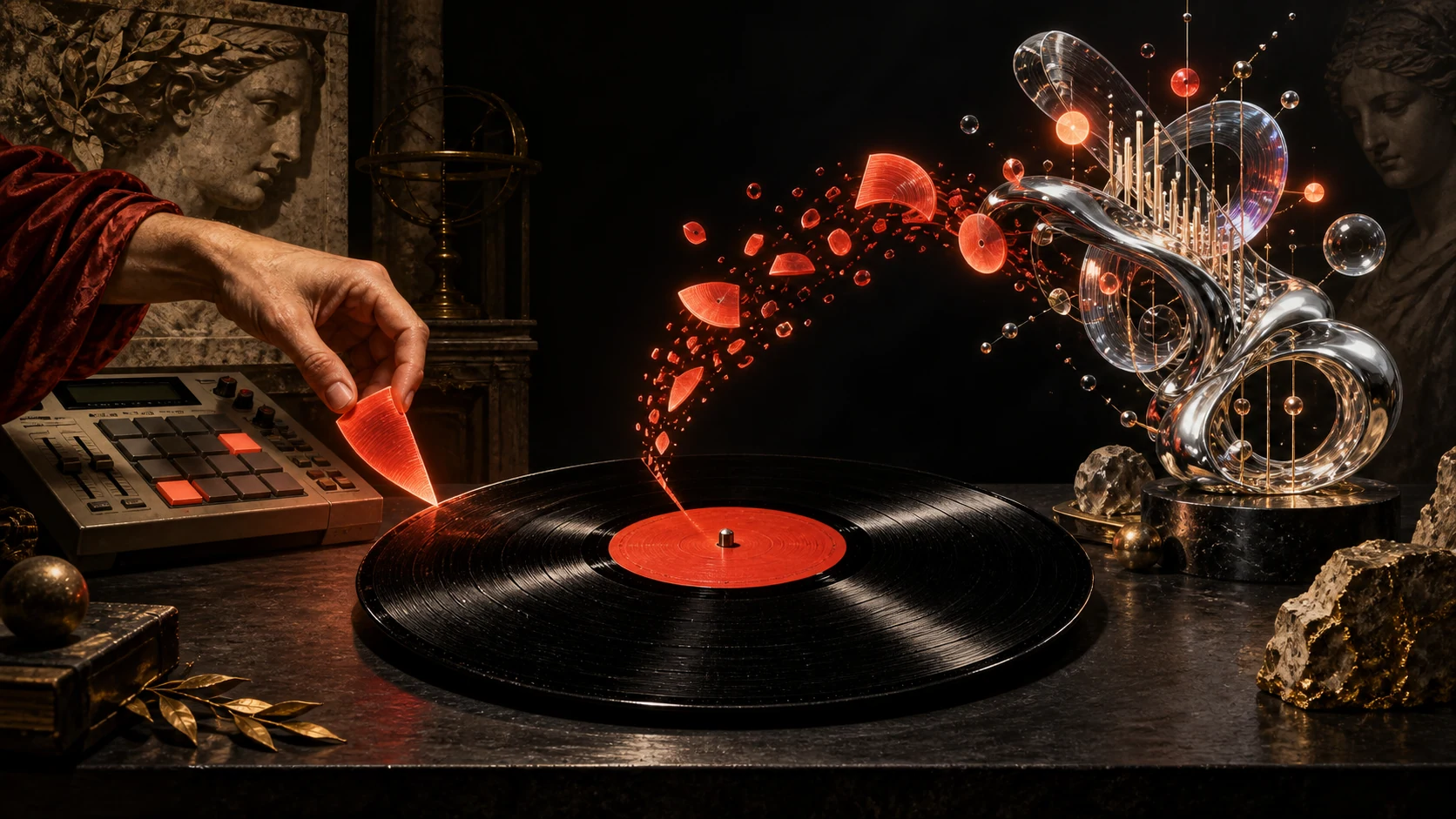
Music builds on music.
Every artist learns from other artists. Every genre carries ideas from earlier genres. Producers sample records, rebuild beats and turn old sounds into new work.
We call that creativity because creativity includes transformation. What matters is what we make from what came before.
AI brings new tools into that process. It changes the speed, cost and scale of production. It also raises real questions about rights and payment. Those questions need clear answers and consistent rules.
Here are my principles.
Learning from culture does not make every result a copy
A song can share a style, rhythm or musical idea with earlier work and still bring something new. That principle already applies to human musicians. Using AI does not automatically remove it.
When a result copies a protected work, examine the copy. When a company breaks the rules during training, examine its conduct. These are separate questions. Evidence must connect each claim to the person or company being accused.
Credit the past without giving it ownership of the future
Nobody built today’s musical culture alone. Artists, listeners, teachers, engineers and earlier generations all helped create it.
Their work deserves recognition. Specific rights deserve protection. But no generation owns every future use of the musical language it helped develop.
Culture must leave room for new people to create.
The internet is an exchange
We gain access to music, knowledge, tools and audiences. That access shapes our skills and helps our work reach the world. What we publish then helps shape what comes next.
I see our contribution to machine learning as a new part of that exchange—a price of the access and opportunity the internet gives us.
Publishing online does not cancel copyright. Companies still need to answer for how they use people’s work. But I reject the idea that every influence must carry a fee, or that every unpaid contribution to learning is theft.
Apply the same standard to every tool
A sample can become part of a new work. An AI model can help someone develop a musical idea. Either can also be used to copy.
Judge the actual use. Protect the work that was copied. Establish fair terms for training. A tool’s name cannot settle those questions.
Creative opportunity does not belong to a profession
Skill deserves respect. Years of practice matter. They give musicians abilities that others may not have.
They do not give anyone the right to decide who else may create.
Lower costs bring more people into music. Their work still has to earn attention. Experience, taste and skill remain valuable when more people have access to the tools.
I use AI openly and stand behind what I release
My standard is clear: honest claims, respect for specific rights, and responsibility for actual choices.
Music has room for skilled performers, producers, sample makers and people working with AI. Their contributions differ. All deserve to be judged on what they actually do.
The future of music should be open to anyone with something worth making.
This is my position on creativity and access. For the examples and distinctions behind the debate, read AI Music vs Sampling: Where Does Influence Become Copying? on AI Music Events, the publication I founded and edit.
AI helped develop and edit this article from my stated position. The illustration was generated with AI under my art direction.